
Bank of Canada Raises Rate to 2.5%, Its First Hike Since 2023


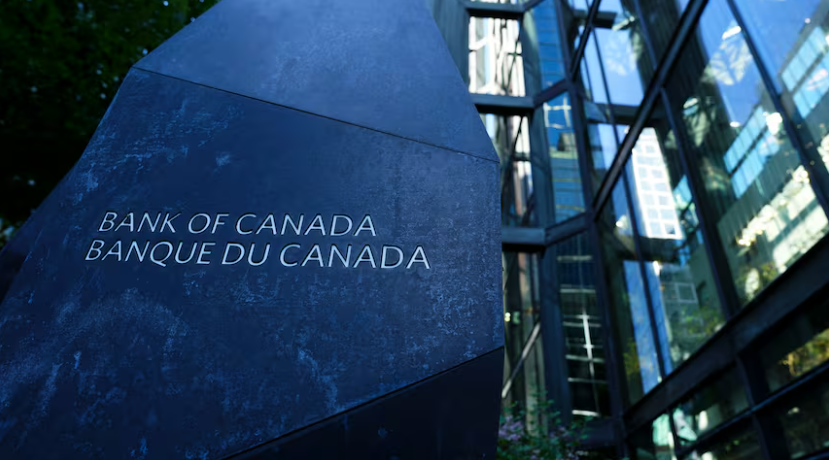
The Bank of Canada raised its policy interest rate by 25 basis points to 2.5% on Wednesday, October 28. It is the Bank's first increase since July 2023, and it ends a run of seven straight holds that followed its last cut in October 2025.
The move was not a complete surprise. A Reuters poll ahead of the announcement found 19 of 34 economists expected a hike, while others, including National Bank's Stéfane Marion, had argued for patience. Here is what drove the decision and what it could mean for your mortgage.
The Decision and What Changed
Alongside the 2.5% policy rate, the Bank Rate now sits at 2.75% and the deposit rate at 2.45%. Governor Tiff Macklem said the inflation outlook has "deteriorated" since the Bank's July forecast, and that a rate increase "is needed to reduce the risk that elevated energy prices could spill over" into broader inflation.
The Bank also left the door open to more: "There could be a need to increase the policy rate further, but given uncertainties, Governing Council agreed to proceed carefully."
The Economy Is Holding Up Better Than Expected
Canada's economy has been more resilient than many feared this year:
Growth: GDP grew 3.3% in the second quarter, and early indicators point to roughly 2% growth in the third quarter.
Slower finish to the year: The Bank expects growth to slow in the fourth quarter as new U.S. tariffs weigh on activity, before picking up again in 2027.
Forecast: Annual growth of 1% in 2026 and 2% in both 2027 and 2028, slightly stronger than the summer outlook.
Jobs: Unemployment has hovered around 6.5% for several months, making it harder than usual for job seekers to find work.
Macklem credited solid consumer spending and a rebound in business investment, led by oil and gas and machinery.
Inflation Is the Main Concern
CPI inflation has run at about 3% since April, and the latest reading is 3.1%. The Bank expects it to reach roughly 3.5% by year-end, remain around 3% through much of 2027, and return close to 2% by mid-2028.
The good news is that the pressure is still concentrated in fuel. Excluding gasoline, inflation was 2.2% in September, and the Bank's core measures are near 2%. The worry is what comes next: about 60% of consumer-facing businesses surveyed expect to pass higher costs on to customers within the next 12 months.
Energy, Trade and Global Risks
Oil: The Middle East conflict is now in its eighth month. Brent crude has averaged close to $125 a barrel in October, about $35 more than in July, and Macklem expects oil prices to stay higher for longer.
Tariffs: Sectors hit by U.S. tariffs remain weak, although overall exports have strengthened on solid U.S. demand.
Global picture: The Bank projects global growth of 3.1% in 2026 and 3.2% in 2027 and 2028. Bond yields in advanced economies have risen since July, and markets have been volatile.
Why the Bank Is Hiking
This is a pre-emptive move. High energy prices have not yet spread broadly to other goods and services, but the Bank sees cost pressures building and wants to keep a temporary fuel shock from turning into lasting inflation. A modest quarter-point increase, paired with a promise to proceed carefully, signals vigilance rather than the start of an aggressive tightening cycle like 2022–2023.
What This Means Going Forward
Variable-rate mortgages and HELOCs: These follow the Bank of Canada's policy rate through lenders' prime rates, which typically move in step with the Bank. Adjustable-rate payments may rise, while fixed-payment variable mortgages will put more of each payment toward interest.
Fixed-rate mortgages: Fixed rates follow Government of Canada bond yields, not the policy rate directly. Yields have been climbing, so fixed rates may stay firm or edge higher.
Renewals: If your term ends in the next 6 to 12 months, it is worth reviewing your options early. Many lenders offer rate holds of up to 120 days.
Buyers: A pre-approval with a rate hold can protect you while you shop.
Looking Ahead
The Bank's next interest rate announcement is Wednesday, December 9, 2026. Watch the November inflation data and oil prices closely, since they will shape whether the Bank holds at 2.5% or moves again.
Bottom Line
The Bank of Canada has shifted from waiting to acting, with a measured hike aimed at keeping inflation from spreading. For most borrowers the change is modest, but it is a good moment to understand how your mortgage responds to rates. Whether you are renewing, buying, or simply want to review your options, the Admore team is here to walk you through it. Reach out any time.
Sources:
Bank of Canada – Interest rate announcement and Monetary Policy Report, October 28, 2026 (bankofcanada.ca)
BNN Bloomberg – "Bank of Canada raises key interest rate, says another hike possible," October 28, 2026
BNN Bloomberg – "Text of the Bank of Canada's latest policy interest rate decision," October 28, 2026
BNN Bloomberg – "'A massive mistake': Ontario Premier Doug Ford blasts Bank of Canada interest rate hike," October 28, 2026
Canadian Mortgage Professional – "BoC preview: What to expect from Wednesday's huge decision," October 27, 2026

Comments